Newfoundland Puppies for Sale: What to Know Before Buying (2026 Guide).
Newfoundland puppies for sale. Newfoundland puppies are famous for their massive size, sweet temperament, and near-legendary patience with children, earning the breed its nickname, “nature’s babysitter.” But that same size and coat that make Newfoundlands so appealing also make them one of the more demanding breeds to own responsibly. Before you search “Newfoundland puppies for sale near me,” it’s worth understanding exactly what you’re getting into: the real cost, the health issues to screen for, how to spot a reputable breeder versus a puppy mill, and whether this breed actually fits your home and lifestyle.
This guide walks through everything a first-time Newfoundland owner should know.
1. Newfoundland Breed Overview
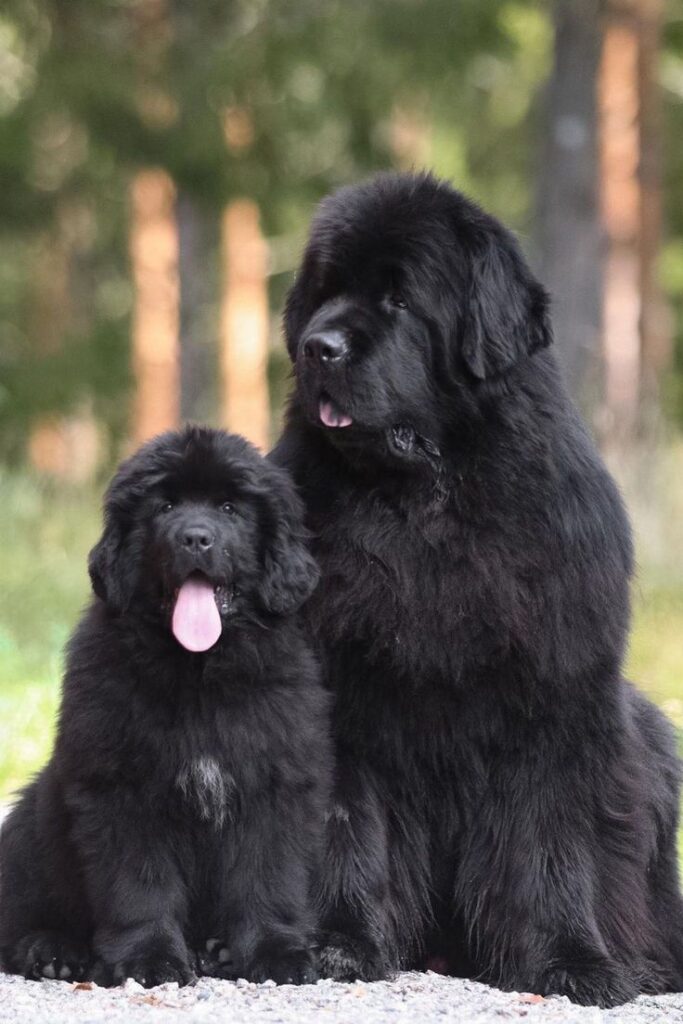
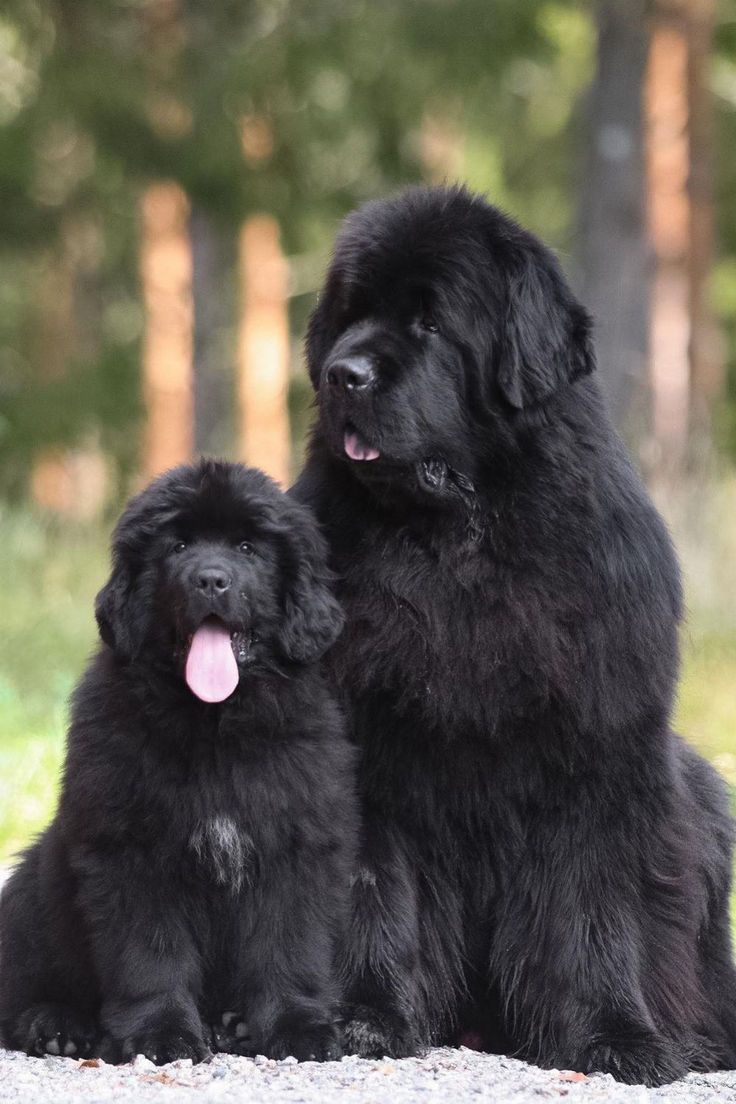
- Size: Males typically weigh 130–150 lbs; females 100–120 lbs, standing 26–28 inches at the shoulder.
- Lifespan: 9–10 years on average.
- Coat: Thick double coat in black, brown, gray, or Landseer (black and white).
- Temperament: Calm, affectionate, patient, and protective without being aggressive. Excellent with children.
- Energy level: Moderate. They enjoy swimming and walks but are not high-energy dogs.
- Best suited for: Homes with yard space, cooler climates, and owners prepared for heavy shedding and slobber.
2. How Much Do Newfoundland Puppies Cost?
Prices vary widely depending on breeder reputation, health testing, and lineage.
| Source | Typical Price Range |
|---|---|
| Reputable breeder (health-tested parents) | $1,800 – $3,500 |
| Show-quality or champion bloodline | $3,000 – $5,000+ |
| Backyard breeder / unverified source | $800 – $1,500 |
| Rescue or adoption | $300 – $600 |
A low price is often a red flag, not a bargain it can indicate skipped health testing, poor breeding practices, or a puppy mill origin. Beyond the purchase price, budget for:
- Initial vet visits and vaccinations: $200–$400
- Crate, bed, and gear sized for a giant breed: $300–$600
- Food (Newfoundlands eat a lot): $80–$120/month as adults
- Pet insurance: $40–$70/month
- Grooming tools or professional grooming: ongoing cost due to heavy shedding
3. How to Find a Reputable Newfoundland Breeder
Because Newfoundlands are prone to specific hereditary conditions, breeder due diligence matters more than with many other breeds. Look for:
- Health clearances from the parents through organizations like OFA (hips, elbows, heart, thyroid, cystinuria DNA testing).
- Newfoundland Club of America (NCA) membership or membership in a national breed club, which typically requires adherence to a code of ethics.
- Willingness to show you the puppy’s environment, including where the puppy was raised and access to the mother.
- A written health guarantee and a contract that requires the puppy be returned to the breeder if you can’t keep it.
- Ongoing support after purchase reputable breeders stay reachable for the dog’s lifetime.
Red flags to avoid
- Multiple litters or breeds available at once
- No health testing documentation
- Refusal to let you visit in person
- Pressure to pay a deposit immediately
- Prices far below market average
4. Common Health Issues in Newfoundlands
Prospective owners should ask breeders directly about testing for:
- Hip and elbow dysplasia are common in large breeds; screened via OFA or PennHIP.
- Subvalvular aortic stenosis (SAS) a heart condition partly hereditary in the breed.
- Cystinuria a genetic condition affecting kidney stone formation; a DNA test is available.
- Gastric dilatation-volvulus (bloat) a life-threatening emergency more common in deep-chested breeds.
- Hypothyroidism manageable with medication if diagnosed.
Always request documentation rather than a verbal assurance that “the parents are healthy.”
5. What Daily Life With a Newfoundland Puppy Looks Like
- Exercise: Moderate daily walks and swimming when possible. Avoid over-exercising during the growth period (roughly the first 18 months) to protect developing joints.
- Grooming: Brushing 2-3 times a week, more during seasonal shedding (“blowing coat”). Regular ear checks help prevent infections.
- Training: Newfoundlands are intelligent and eager to please, but their size makes early obedience and leash training essential a full-grown Newfoundland that pulls on a leash is difficult to manage.
- Socialization: Early exposure to people, dogs, and new environments supports their naturally gentle temperament.
- Space needs: A yard is ideal; the breed does not do well in small apartments long-term.
- Climate: Their thick coat makes them prone to overheating in hot, humid weather. Shade, water access, and air conditioning matter in warmer regions.
6. Newfoundland Puppy vs. Adult Rescue: Which Is Right for You?
| Factor | Puppy | Adult Rescue |
|---|---|---|
| Cost | Higher | Lower |
| Training required | Extensive | Often already trained |
| Predictability of temperament | Less certain | More established |
| Time commitment early on | High | Moderate |
| Availability | Wait lists common | Breed-specific rescues often have adults available |
Newfoundland-specific rescue organizations exist in most regions and are worth checking before committing to a puppy, especially for first-time giant-breed owners.
7. Questions to Ask a Breeder Before You Buy
- Can I see health clearances for both parents?
- Can I meet the mother (and father, if on-site)?
- What socialization has the litter had so far?
- What is your return/rehoming policy?
- Do you provide a written health guarantee?
- What food and feeding schedule has the puppy been on?
- Are you a member of a national or regional Newfoundland breed club?
Final Thoughts
Newfoundland puppies are wonderful companions for the right household: patient, loving, and remarkably gentle for their size. But their health needs, grooming demands, and sheer physical scale mean the decision to buy shouldn’t be made on price or looks alone. Taking the time to find a health-testing, ethical breeder or considering a breed-specific rescue gives your future Newfoundland the best possible start, and gives you a companion built to thrive for years to come.